At a Glance:
What Is Surround Sound and How Does It Work?
Key Components of a Surround Sound System
Choosing the Right Surround Sound Setup for Your Space
Why Trust Flanners Home Entertainment?
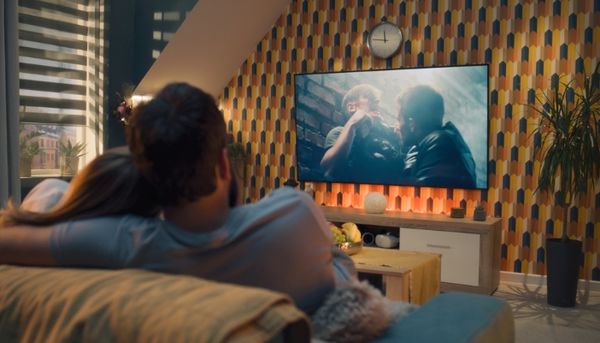
Surround sound has become the gold standard for home entertainment, transforming the way we experience movies, music, sports, and gaming. Instead of sound coming from a single direction, surround sound systems place you in the center of the action, delivering audio that moves around the room, adds depth to dialogue, and brings cinematic realism into your home.
Whether you’re new to home audio or considering an upgrade, understanding the basics of surround sound is the first step toward better performance and long-term satisfaction. From different speaker configurations to the equipment that powers them, knowing what each component does can help you make smarter decisions and avoid common mistakes.
In this guide, we’ll break down what surround sound is, how it works, and what you need to consider when choosing the right setup for your space, so you can enjoy clear, immersive audio that fits your lifestyle and your home.
Explore Our Home Speaker Options
Visit our store to explore speaker options or let us assist you in setting up the perfect surround sound system at home. Our experts at Flanners are ready to help you achieve the best sound quality.
Learn About Our Speaker SolutionsWhat Is Surround Sound and How Does It Work?

We believe great audio should pull you into the moment, not just play in the background. That’s exactly what surround sound is designed to do. Surround sound uses multiple speakers placed around a room to create a full, layered audio experience that feels natural and engaging.
Traditional stereo audio relies on two speakers, left and right, to deliver sound. While stereo works well for basic listening, it can’t recreate the depth and direction you hear in real life. Surround sound goes further by dividing audio into multiple channels, allowing sound to move around the room instead of staying in front of you. This is one of the key reasons surround sound channels for beginners can feel like such a big upgrade.
You’ll often hear surround sound systems described by numbers, such as 2.1, 5.1, or 7.1. These numbers refer to how many speakers are used and how they’re arranged:
- 2.1 systems include two speakers and a subwoofer for enhanced bass.
- 5.1 systems add a center speaker for clear dialogue and surround speakers for effects.
- 7.1 systems expand the experience with additional rear speakers for more depth.
- Dolby Atmos takes things even further by adding height channels, creating sound that feels like it’s coming from above as well as around you.
When everything is properly placed and tuned, surround sound creates an immersive listening experience that mirrors how we naturally hear the world. Dialogue stays anchored to the screen, music fills the room, and sound effects move smoothly from one direction to another. Learning how to set up surround sound at home makes all the difference, and our team at Flanners is here to help design a system that fits your space and your lifestyle.
Learn More: What Is a Powered Subwoofer & Do You Need One?
Key Components of a Surround Sound System
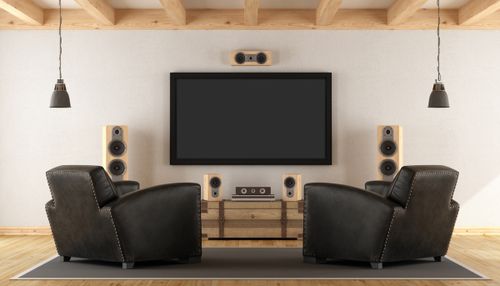
We like to keep surround sound simple and approachable. A great system is built from a few core components working together to deliver clear, powerful, and room-filling audio. Understanding these pieces makes it easier to choose from the many types of home audio systems available today.
The heart of most surround sound setups is the AV receiver. This is the control center that processes audio signals and sends them to the correct speakers. Many of the best surround sound receivers also handle video switching, streaming, and room calibration, making them an essential part of a modern home theater.
Speakers do the heavy lifting when it comes to creating an immersive soundstage. Each speaker has a specific role and placement:
- Front left and right speakers handle music, effects, and directional sound.
- Center speaker delivers dialogue clearly and anchors sound to the screen.
- Surround speakers add depth by placing effects to the sides or behind the listener.
- Height speakers, often used with Dolby Atmos, create overhead effects for added realism.
Choosing between active vs passive speakers for home theater is another important step. Active speakers have built-in amplification, while passive speakers rely on the AV receiver for power. Passive speakers are more common in full surround setups and offer greater flexibility for system upgrades.
A subwoofer rounds out the system by handling low-frequency bass. Proper placement can make a noticeable difference in performance, and following basic subwoofer placement tips helps ensure deep, even bass without overpowering the room.
Finally, there’s the choice between wired and wireless systems, as well as soundbars vs full surround setups. Soundbars offer convenience and a clean look, while full surround systems provide unmatched immersion and customization. At Flanners, we help match the right components to your space, so your system sounds as good as it looks.
Learn More: How to Install In-Wall Speakers
Choosing the Right Surround Sound Setup for Your Space

At Flanners, we know that the best surround sound experience starts with understanding your space and how you plan to use it. A system that sounds incredible in one room may not perform the same in another, which is why thoughtful planning makes all the difference.
Room size and layout play a major role in determining the right setup. A compact living room may benefit from a streamlined surround sound system, while a dedicated home theater can support more speakers and advanced formats. How you enjoy entertainment also matters. Movie lovers often prioritize immersive effects and clear dialogue, music listeners focus on balanced sound and detail, and gamers look for precise audio cues that enhance gameplay. Proper home theater speaker placement ensures sound reaches the listening area evenly and feels natural.
Budget is another important consideration. Surround sound systems are highly scalable, allowing you to start with a strong foundation and build over time. Many homeowners begin with a quality AV receiver and front speakers, then expand by adding surrounds, height speakers, or a more powerful subwoofer later. This approach protects your investment while keeping future upgrades simple.
Here are a few planning tips we often share with our customers:
- Match speaker size and quantity to the room, not just the system rating
- Plan speaker placement early to avoid clutter or performance issues
- Choose components that allow easy expansion as technology evolves
Professional design and installation become especially valuable when working with complex layouts, in-wall or in-ceiling speakers, or multi-use spaces. Our team at Flanners helps design systems that blend seamlessly into your home while delivering outstanding surround sound performance. With expert guidance, you get a setup that fits your space, your goals, and the way you love to listen.
Learn More: Sony vs Samsung TVs: Which Is Better?
Frequently Asked Questions
These numbers describe the speaker configuration of your system: The first number (e.g., 5) is the number of traditional speakers (front, center, and surround). The second number (e.g., .1) refers to the subwoofer for bass. The third number (e.g., .2) indicates upward-firing or ceiling speakers used for "height" effects in formats like Dolby Atmos.
In most cases, yes. The AV Receiver acts as the "brain" of your home theater. It takes the audio signal from your TV or player, decodes it, and sends power to each individual speaker. While some "Home Theater in a Box" systems include built-in amps, a dedicated receiver offers much better sound quality and future-proofing.
Yes! Many modern soundbars use "virtual surround sound" or wireless rear speakers to mimic a full theater experience. While a traditional multi-speaker setup usually provides a more immersive, "true" surround experience, a high-quality soundbar is an excellent, space-saving alternative for smaller rooms.
Bass is non-directional, but placement still matters. A common trick is the "Subwoofer Crawl": place the sub in your primary seating spot, play a bass-heavy track, and crawl around the room. Wherever the bass sounds the cleanest and punchiest is where you should move the subwoofer.
Why Trust Flanners Home Entertainment?
When you choose Flanner’s Home Entertainment, you're trusting a deeply rooted, family-owned legacy that dates back to 1891 a company that has evolved from a piano and sheet-music shop into a premier specialty retailer of high-end audio, video, and smart-home systems. With showrooms in West Allis and Northshore Grafton, Flanner’s combines decades of expertise and personalized service. Its team includes members with 15–30 years of industry experience to design and install tailored home theater, multi-room audio, networking, and control solutions. Over its more than 130-year history, the business has maintained its commitment to craftsmanship, reliability, and genuine customer relationships, making every system feel as thoughtfully built as the business itself.