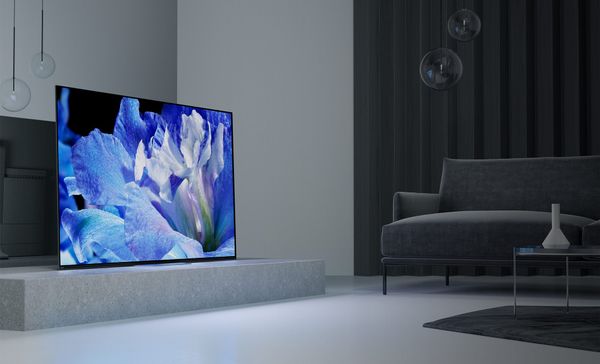
At a Glance:
Brand Overview: Sony vs Samsung
Feature Comparison: Picture, Smart Tech, and Performance
Choosing a new TV can feel overwhelming, especially when two of the biggest names in home entertainment are at the top of your list. Sony and Samsung both lead the industry with cutting-edge technology, sleek designs, and a wide range of models built for everything from movie nights to competitive gaming. But when it comes down to everyday viewing, picture quality, smart features, and long-term value, which brand truly stands out?
In this guide, we break down Sony vs Samsung TVs to help you make a confident decision. We will look at how each brand approaches display technology, image processing, sound quality, and user experience. By comparing what really matters inside and outside the screen, you can find the TV that fits your lifestyle, your space, and your budget. Whether you want cinematic visuals, smooth performance for sports and gaming, or a smart platform that is easy to use, this side-by-side look will show you which brand is the better match for your home.
Find Your Next TV at Flanners
If you’re unsure about which TV brand to choose next, visit our online store or come to Flanners and explore our showroom. Test out different models to find the one that best fits your home needs. Our in-store experts are available to explain all the features, helping you feel confident in your decision.
Explore Our TV CatalogBrand Overview: Sony vs Samsung
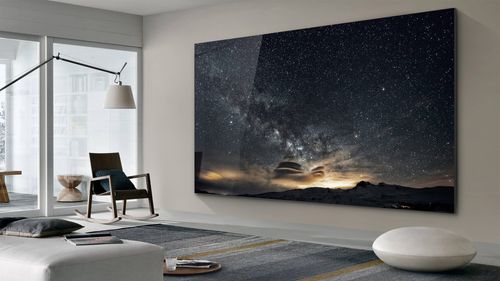
We work with leading TV brands every day, so we see firsthand what makes each one stand out. When customers ask us about Sony vs Samsung TV options, they are usually choosing between two of the most trusted names in home entertainment. Both brands deliver impressive technology, but each appeals to a slightly different type of viewer.
Sony has built its reputation on precision, craftsmanship, and cinematic quality. With decades of experience in film, music, and broadcast production, Sony designs TVs that focus on natural color, accurate contrast, and realistic motion. Many movie lovers and sports fans gravitate toward a Sony TV because of its powerful image processing and consistently refined performance. Reliability is also a strong point, with models known for long-term durability and premium build quality.
Samsung takes a different but equally impressive approach. As a leader in display innovation, Samsung pushes the boundaries with QLED, Neo QLED, and advanced smart features. A Samsung TV is often the go-to choice for customers who want bold brightness, eye-catching design, and cutting-edge technology. Samsung also excels in gaming features and smart home integration, making it a favorite for tech-forward households.
Here is a quick snapshot of how each brand positions itself:
- Sony: Focus on cinematic picture quality, natural colors, and refined performance
- Samsung: Emphasis on innovation, high brightness, modern design, and smart features
Target audience:
- Sony appeals to movie lovers, sports fans, and viewers who value realism
- Samsung attracts gamers, design-conscious buyers, and smart home users
At Flanners, we help customers compare Sony vs Samsung TV models side by side so you can see these differences in action. Both brands deliver outstanding quality, but the better choice depends on how you watch, what features matter most to you, and the experience you want in your home.
Learn More: Best Brands for OLED 65-Inch TVs
Feature Comparison: Picture, Smart Tech, and Performance
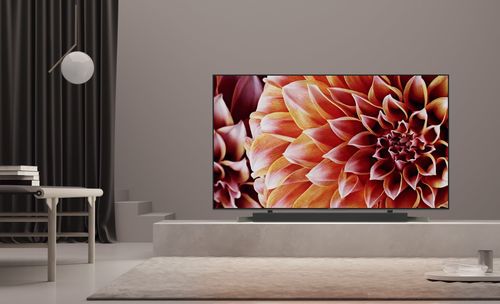
We help customers compare TVs side by side every day, and the biggest differences usually come down to picture quality, smart features, and overall performance. When shoppers ask us, “are smart TVs worth it,” the answer often depends on how well those features work in real life. Here is how Sony and Samsung stack up in the areas that matter most.
Display technology is one of the first things people notice. Sony leads with its premium OLED TV models that deliver perfect blacks, rich contrast, and a true cinematic feel. Samsung counters with QLED TV and Mini-LED designs that emphasize brightness and color volume, making them ideal for well-lit rooms. Both brands also offer Mini-LED options for sharper highlights and improved control over backlighting.
Picture processing and color accuracy are where Sony often earns praise from movie fans. Sony TVs are known for natural skin tones, smooth motion, and balanced contrast that feels true to the source. Samsung focuses on punchy visuals, high brightness, and bold colors that pop for sports, gaming, and everyday viewing. Each approach is impressive, but they cater to different preferences.
Smart platforms and performance features round out the experience. Sony uses Google TV, offering strong app support, voice control, and seamless integration with other Google devices. Samsung runs its own Tizen platform, known for fast navigation, intuitive menus, and smart home compatibility. For gamers, both brands deliver low input lag, high refresh rates, and HDMI 2.1 support on many models. Audio performance is solid across both lines, with Sony often emphasizing clear dialogue and Samsung focusing on immersive surround effects.
Here is a quick comparison:
Display:
- Sony: OLED and Mini-LED for cinematic contrast
- Samsung: QLED and Mini-LED for brightness and vibrant color
Smart tech:
- Sony: Google TV with deep app and voice integration
- Samsung: Tizen with fast navigation and smart home features
Performance:
- Both: Excellent gaming support, smooth motion, and strong sound
We encourage you to see these features in person. Understanding how OLED TV and QLED TV technology perform in your lighting and viewing habits makes all the difference.
Learn More: How to Install In-Wall Speakers
Which TV Is Right for You?

At Flanners, we’ve helped countless customers find the perfect TV for their living rooms, home theaters, and gaming setups. When you’re comparing Sony vs Samsung TV, it helps to think about how you plan to use the TV most often. Different technologies and feature sets shine in different situations, so here’s a guide to match your viewing habits, budget, and lifestyle.
Best Choice by Viewing Type
- Movies: If cinematic picture quality and accurate color reproduction are top priorities, Sony’s OLED and high-end LED models offer stunning contrast and rich detail. These TVs can bring films to life with depth and realism.
- Sports: Samsung’s bright QLED TV models excel in sunny or well-lit rooms. The vibrant colors and motion clarity help fast action look smooth and engaging.
- Gaming: Both Sony and Samsung offer excellent options for gaming with low input lag and HDMI 2.1 support. Samsung’s gaming-focused models often include enhanced features for competitive play, while Sony’s offerings deliver rich visuals and immersive sound.
- Everyday Viewing: For general TV watching, family shows, and streaming, you’ll find a great balance in mid-range models from both brands. These deliver reliable performance with smart features that make navigation and streaming smooth and simple.
Price and Value Considerations
- Sony TVs tend to sit in the mid to high range, with premium performance that many viewers appreciate for longevity. Their reputation for Sony vs Samsung TV reliability is strong, especially in models built for cinematic performance.
- Samsung offers a broad range of prices, including excellent value options that bring advanced features to more budgets. Their high-brightness QLED sets are standout performers for price-conscious shoppers.
Final Recommendation
Think about your main uses and your room setup. Choose a Sony TV if you want top-tier picture accuracy and cinematic performance. Choose Samsung if you want vibrant brightness, strong smart features, and broad value options. At Flanners, we’re here to help you compare specific models so you feel confident in your choice and bring home a TV that fits your lifestyle and budget.
Frequently Asked Questions
Both deliver excellent visuals, but they do it differently. Sony is known for natural color accuracy, strong contrast, and cinematic processing that appeals to movie lovers. Samsung focuses on high brightness and vivid colors, which work especially well in bright rooms and for sports or everyday viewing.
Both brands have strong reputations for quality and durability. Sony is often praised for long-term performance and consistent build quality, while Samsung is known for dependable hardware across a wide range of price points. Proper setup and usage also play a big role in long-term reliability.
Samsung often includes more gaming-focused features such as high refresh rates, low input lag, and dedicated gaming modes. That said, many Sony models also offer smooth performance and HDMI 2.1 support. The better choice depends on the specific model and how competitive your gaming needs are.
Samsung offers a broader range of price options, making it easier to find feature-rich models at lower and mid-range budgets. Sony TVs typically cost more but provide premium picture processing and a refined viewing experience. The best value comes down to your budget and the features that matter most in your home.
Why Trust Flanners Home Entertainment?
When you choose Flanner’s Home Entertainment, you're trusting a deeply rooted, family-owned legacy that dates back to 1891 a company that has evolved from a piano and sheet-music shop into a premier specialty retailer of high-end audio, video, and smart-home systems. With showrooms in West Allis and Northshore Grafton, Flanner’s combines decades of expertise and personalized service. Its team includes members with 15–30 years of industry experience to design and install tailored home theater, multi-room audio, networking, and control solutions. Over its more than 130-year history, the business has maintained its commitment to craftsmanship, reliability, and genuine customer relationships, making every system feel as thoughtfully built as the business itself.