At a Glance:
Understanding Powered Bookshelf Speakers and Built-In Amplification
Key Features That Define Quality Powered Speakers
Perfect Use Cases for Powered Bookshelf Speakers
How to Choose the Right Powered Bookshelf Speakers
Advanced Considerations for Optimal Performance
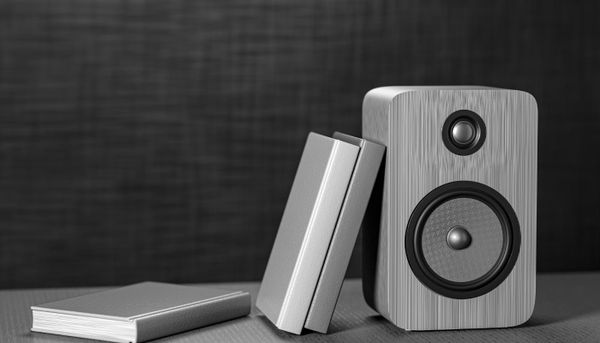
There's a magical moment when you hit play and a song fills the room with crystal-clear highs and deep, moving bass. For too long, people have settled for tinny laptop speakers or basic soundbars. But what if you could unlock a new dimension of sound without the clutter of traditional audio systems? Enter powered bookshelf speakers. These compact powerhouses have transformed home listening by packing amplifiers, connectivity, and incredible audio quality into sleek cabinets perfect for any desk, shelf, or studio. Achieving professional-grade sound no longer requires complex equipment—just plug in and play.
Speakers Ideal for Any Location
Bookshelf speakers are ideal for any need. Bring home the latest high-quality models and experience superior sound clarity available only through luxury brands. Shop bookshelf speakers at Flanners today!
Explore Our Bookshelf Speaker CatalogUnderstanding Powered Bookshelf Speakers and Built-In Amplification
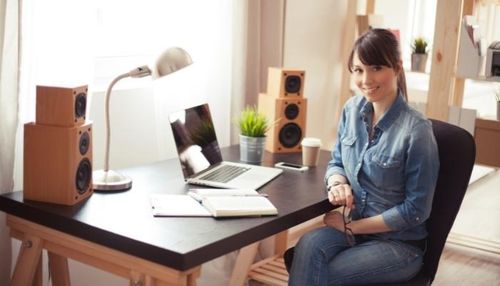
The primary distinction between powered bookshelf speakers and their passive counterparts is self-sufficiency. Powered speakers come with built-in amplification, which is usually housed in one speaker and powers both units through a simple cable. This integrated design optimizes performance by perfectly matching the amplifier to the drivers, which in turn minimizes noise and signal loss.
Passive speakers demand external amps and careful component matching. In contrast, powered bookshelf speakers offer a much simpler setup. Just connect your source, set the volume, and enjoy the sound.
Many modern designs also include advanced features like:
- Digital Signal Processing (DSP): This technology fine-tunes frequency response, creating a balanced and accurate sound profile.
- Crossover Management: DSP helps manage how frequencies are distributed between the tweeter and woofer, ensuring smooth transitions.
- Distortion Prevention: It also works to prevent audio from becoming distorted, even at high volumes.
These features ensure that audiophile speakers deliver clear, precise sound consistently.
Learn more: What Is a Powered Subwoofer & Do You Need One?
Key Features That Define Quality Powered Speakers
Sound Quality
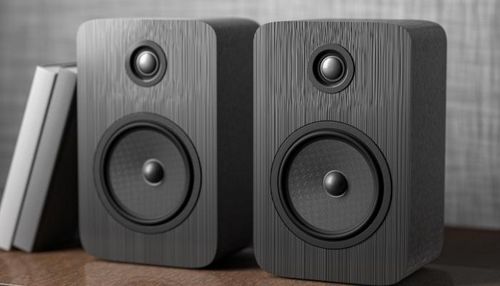
The audio performance of powered bookshelf speakers depends heavily on driver and cabinet construction. High-end models use materials like Kevlar, aluminum, or treated paper cones for woofers, paired with silk, metal, or horn-loaded tweeters for clear, precise sound. Cabinet design also shapes the audio. Premium enclosures made from thick MDF or solid wood with internal bracing reduce vibration and resonance, while rear-ported or sealed designs enhance bass response.
Connectivity Options
Versatile powered bookshelf speakers should include:
- Bluetooth with aptX HD or LDAC for high-resolution wireless streaming
- USB inputs for direct digital audio
- Optical (TOSLINK) for TVs and gaming consoles
- RCA inputs for turntables and older devices
- HDMI eARC for TV integration and surround sound setups
Size and Placement
Compact designs (6–8 inches tall) fit on shelves, desks, or stands without taking up excessive space. Smaller models also make hidden wiring and cable management easier, keeping setups clean and streamlined.
Control Options
Modern powered bookshelf speakers feature remote controls, smartphone apps for EQ adjustments, and voice assistant integration. Some also include front-panel bass and treble controls for quick, room-specific tuning.
Powered Versus Passive: Making the Right Choice
The debate between powered and passive speakers has been a hot topic for decades. Each type has its own strengths, and knowing the differences can help you make a better choice for your audio setup.
Powered Bookshelf Speakers: Simplicity and Convenience
Powered bookshelf speakers are all-in-one solutions for excellent sound. With built-in amplification, you only need to connect them to your music source—no separate amplifier required. This simplicity is ideal for those new to audio systems or with limited space.
Cost Comparison
- Passive speakers may seem cheaper upfront, but often require a quality amplifier, increasing the total cost.
- For example:
- $600 passive speakers + $400 amplifier = $1,000 total.
- In contrast, $800 powered bookshelf speakers offer comparable or better performance without additional costs.
Flexibility and Upgrades
- Passive speakers: Modular systems allow you to upgrade or replace components (e.g., speakers, amplifiers) individually. This appeals to hobbyists who enjoy experimentation.
- Powered bookshelf speakers: Fixed amplification ensures a streamlined setup, avoiding the need for frequent upgrades. While less flexible, this design eliminates unnecessary complications for most users.
Performance at Every Price Point
Powered bookshelf speakers often rival or surpass passive systems in the same price range. This is due to their integrated design, which allows manufacturers to optimize the entire system for better sound quality.
Leading brands such as Klipsch, KEF, and Edifier have proven that powered bookshelf speakers can meet the high standards of audiophile speakers, offering exceptional clarity, depth, and precision.
The Ideal Solution for Most Listeners
While high-end passive systems cater to audiophiles seeking ultimate customization, powered bookshelf speakers deliver a practical, efficient solution. They are perfect for music lovers, content creators, or anyone in need of high-quality sound without the complexity of separate components.
Learn more: How to Install In-Wall Speakers
Perfect Use Cases for Powered Bookshelf Speakers
Casual Listening and Daily Music Enjoyment
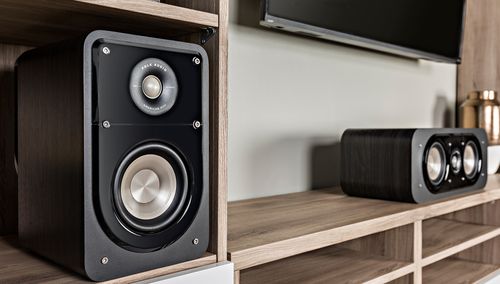
The living room, bedroom, or home office transforms into a concert hall with quality powered bookshelf speakers. Streaming from Spotify, Apple Music, or TIDAL via Bluetooth delivers far superior sound to any smart speaker. Instruments gain separation, vocals sound natural, and bass carries real weight.
These speakers offer placement flexibility for any setup. Flank a TV for music and movies, place on a desk for an immersive workspace, or mount in a bedroom for luxurious evening listening.
Vinyl Turntable Setups
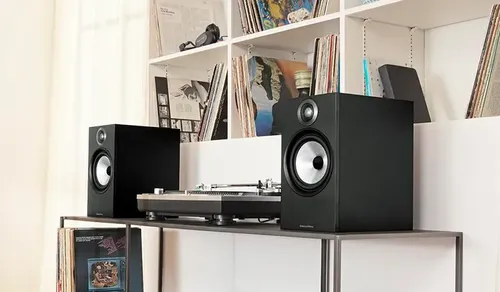
Vinyl's resurgence has brought a new generation to the warm, tactile charm of physical media. Pairing a turntable with powered bookshelf speakers offers a sleek, high-performance system without the hassle. Many powered speakers include phono preamps, letting turntables connect directly for a simple, elegant setup.
Quality speakers highlight vinyl's warmth and analog texture, delivering accurate sound while keeping surface noise musical rather than harsh. Well-chosen powered bookshelf speakers can reveal new details in your record collection.
At a speaker store in Milwaukee, like Flanner's Home Entertainment, staff can help match powered speakers with turntables, ensuring a setup that offers exceptional sound and lasting enjoyment.
Desktop Audio and Computer Workstations
Computer audio no longer means tinny desktop speakers. Today, content creators, remote workers, and gamers spend hours at their desks, making powered bookshelf speakers an investment in both work and play. These speakers excel in nearfield listening environments, delivering detailed sound at lower volumes.
With USB connectivity, powered bookshelf speakers become advanced computer audio systems. Audio goes directly from the computer to the speakers' built-in DAC and amplifier, bypassing the computer's basic sound card. This digital connection preserves audio quality, revealing details in music and dialogue that standard computer speakers miss.
Their compact design also suits desktop setups. Models around 6 to 7 inches tall fit easily on most desks. Some even include isolation pads or tilted bases to aim sound directly at the listener, optimizing audio in smaller spaces.
Learn more: Are Wireless Earbuds Worth It?
Home Studios and Content Creation Spaces
Musicians, podcasters, and producers need precise audio to make creative decisions. Powered bookshelf speakers are ideal for home studios, exposing mix issues and frequency imbalances that need correction.
Studio speakers require a flat frequency response to avoid artificially enhanced bass or treble, ensuring mixes sound consistent across all systems. Low distortion at any volume keeps sound clear, whether working late at night or during loud mixing sessions.
Many start with affordable options like the Edifier MR5, upgrading to luxury speakers as skills and budgets grow. This approach builds listening skills while keeping initial costs manageable.
Professional custom speaker setup services enhance performance by addressing room acoustics and optimizing placement, often delivering results comparable to upgrading to higher-end speakers.
How to Choose the Right Powered Bookshelf Speakers
Matching Speakers to Listening Habits
Music preferences should guide speaker choices. Jazz, classical, and acoustic fans need speakers with clear midrange and natural tonal balance to preserve timbre. Rock, electronic, and hip-hop enthusiasts may prefer models with strong bass and high power for dynamic peaks.
Audiophile speakers are ideal for critical listening, offering exceptional resolution and imaging that create a three-dimensional soundstage. For background listening, Bluetooth connectivity and multi-room features may take priority over sound quality.
For home theater, powered bookshelf speakers should provide clear center channel imaging for dialogue and enough dynamic range for action scenes. Some models include settings that enhance vocals and simulate surround sound effects.
Room Size and Acoustic Considerations
Speaker size and power output should fit the room. For small spaces under 150 sq. ft., 4 to 5-inch woofers with 50-100 watts work well. Medium rooms up to 300 sq. ft. suit 6 to 7-inch woofers with 100-200 watts. Larger or high-ceilinged spaces may need 8-inch models or multiple speakers.
Room acoustics affect sound quality. Hard surfaces like tile and large windows reflect sound, causing harshness or echo. Soft furnishings, curtains, and rugs absorb reflections, creating warmer but sometimes overly dampened sound.
Bass response is tricky. Room dimensions can cause peaks (overpowering bass) or nulls (weak bass). Adjusting speaker placement, closer to or farther from walls, helps balance bass levels naturally. Some powered bookshelf speakers offer bass control knobs for further fine-tuning.
Budget Considerations and Value
The powered bookshelf speaker market offers a vast price range, from under $300 to over $3,000 per pair. Budget models suit casual listening, mid-tier options serve most music lovers, and premium luxury speakers are for discerning audiophiles.
For many buyers, the $500 to $1,000 range is the sweet spot. Speakers in this bracket feature high-quality drivers, substantial amplification, and refined construction. Brands know they must deliver excellent performance per dollar to attract serious listeners.
Moving up to the $1,500 to $2,500 range yields tangible upgrades in driver materials, crossover networks, and amplifier design. These audiophile speakers reveal more detail, create immersive soundstages, and handle high volumes with composure. The differences become more apparent during extended listening.
Visiting a physical speaker store Milwaukee residents trust, like Flanner's Home Entertainment, enables direct comparisons. Hearing the differences firsthand is more reliable than relying on online specifications. Expert staff can also suggest models that fit specific needs and budgets.
Advanced Considerations for Optimal Performance

Integration with Existing Systems
Powered bookshelf speakers shine when integrated thoughtfully into broader home audio systems. Those building surround sound setups can use powered speakers as front left/right channels while adding a powered subwoofer for extended low frequencies and surround speakers for immersive effects. Many powered models include subwoofer outputs specifically for this purpose.
Smart home integration continues improving, with newer powered bookshelf speakers supporting AirPlay 2, Chromecast, or proprietary multi-room systems. This connectivity allows synchronized music playback throughout the home, with the same song playing in different rooms or different music in each space. Voice control through Alexa, Google Assistant, or Siri adds convenience for hands-free operation.
Installation and Setup Tips
Proper speaker placement is key to maximizing performance, regardless of the model's quality. The classic stereo triangle setup places the speakers and the listener at three equal-distance points, creating ideal stereo imaging. Angle the speakers slightly inward so they aim toward the listening position rather than pointing straight ahead.
Speaker Height
- Tweeters should align with ear level when seated for the best sound clarity.
- If speakers are below ear level, use foam wedges or angled bases to tilt them upward.
- Wall-mounting brackets are a great space-saving option while achieving proper height and positioning.
Hidden wiring
Keeping speaker wires out of sight ensures a clean, professional look. Options include:
- Cable raceways to conceal wires along baseboards or walls.
- In-wall wire channels for permanent, invisible cable routing.
- Cable management clips to prevent visible dangling wires, preserving the sleek aesthetics of powered bookshelf speakers.
Break-in periods
Many manufacturers suggest a break-in period of 20 to 50 hours of moderate-volume playback for speakers to reach full performance. This allows the driver suspensions to loosen slightly, improving sound quality. While some debate if this creates noticeable improvements, playing a variety of music at moderate levels for a few weeks can help new speakers settle in effectively.
Envisioning Your Space Transformed
Imagine a room where music surrounds and transforms the atmosphere. Powered bookshelf speakers achieve this by delivering sound exactly as artists intended. Jazz reveals subtle snare brush strokes, orchestras place instruments with precision, and electronic music pulses with chest-thumping bass.
For home studio creators, these speakers expose every detail: timing issues, frequency clashes, or reverb tails. Accurate monitoring enhances creativity by ensuring music sounds as it should.
Beyond sound, their elegant design complements any room, often sparking conversations. Powered bookshelf speakers balance performance and practicality, offering audiophile sound without overwhelming spaces or budgets.
Choosing better sound starts with rejecting mediocre audio. For vinyl collectors, studio creators, or music lovers, powered bookshelf speakers bring clarity and depth. The challenge isn’t finding great options, it’s deciding which deserves a place in your space.
Frequently Asked Questions
Audiophiles prefer bookshelf speakers for their compact cabinets, which reduce internal resonance and minimize sound coloration. Smaller enclosures are more rigid, cutting unwanted vibrations that harm audio quality. They deliver precise stereo imaging and soundstage depth when positioned correctly. Their size also offers placement flexibility, making it easier to optimize for room acoustics.
The 83% rule recommends placing speakers so the distance between them equals 83% of the distance to the listening position, forming an ideal stereo triangle. For instance, if the speakers are 8 feet from the listener, they should be 6.6 feet apart. This setup enhances stereo imaging, soundstage width, and center image focus. While this is a great starting point, room acoustics and personal preference may require adjustments.
Not at all. Powered bookshelf speakers have a built-in amplifier, so they don’t need a receiver or external amp. They connect directly to sources like turntables, computers, or TVs. Because the internal amplification is matched to the speaker drivers, it ensures optimal performance. While a receiver isn't necessary, some people use one to easily switch between audio sources.
Powered speakers simplify home studio setups with matched amplification and features like built-in room correction, avoiding amplifier compatibility issues. While high-end passive systems can rival them, powered bookshelf speakers are ideal for home studios with limited budgets or space, offering great performance, convenience, and value.
Why Trust Flanners Home Entertainment?
When you choose Flanner’s Home Entertainment, you're trusting a deeply rooted, family-owned legacy that dates back to 1891 a company that has evolved from a piano and sheet-music shop into a premier specialty retailer of high-end audio, video, and smart-home systems. With showrooms in West Allis and Northshore Grafton, Flanner’s combines decades of expertise and personalized service. Its team includes members with 15–30 years of industry experience to design and install tailored home theater, multi-room audio, networking, and control solutions. Over its more than 130-year history, the business has maintained its commitment to craftsmanship, reliability, and genuine customer relationships, making every system feel as thoughtfully built as the business itself.